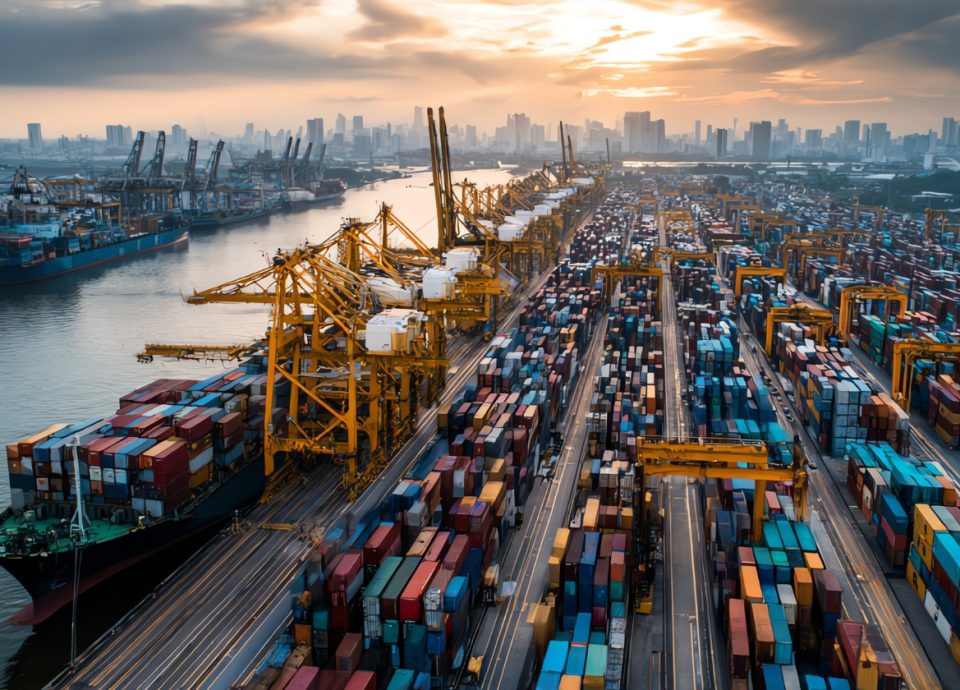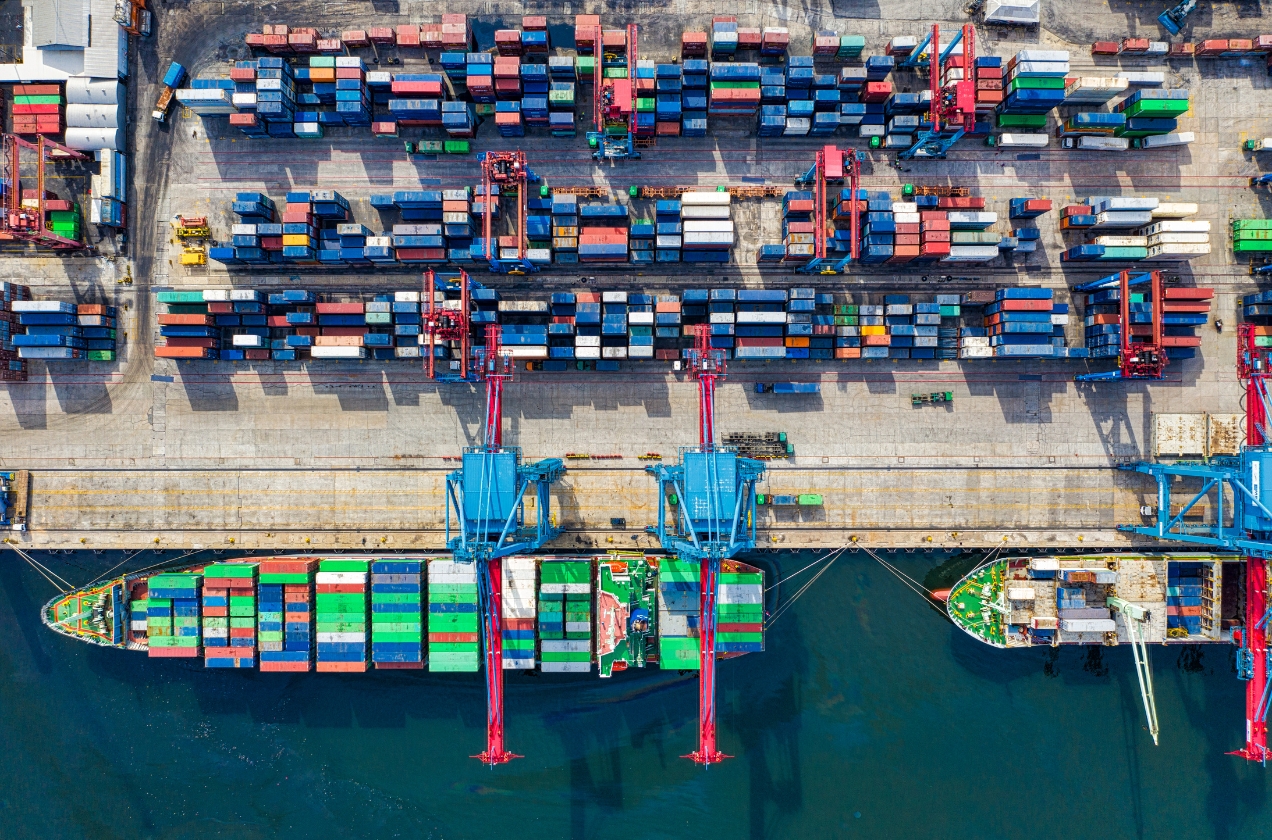
Vessels operating on multi-port trading routes face a unique set of supply challenges. Differences in port infrastructure, product availability, logistics capabilities, and local handling practices can make consistent marine supply difficult to achieve. Without a structured approach, these variations can lead to delays, increased costs, or inconsistent product quality across regions.
The Complexity of Multi-Port Operations
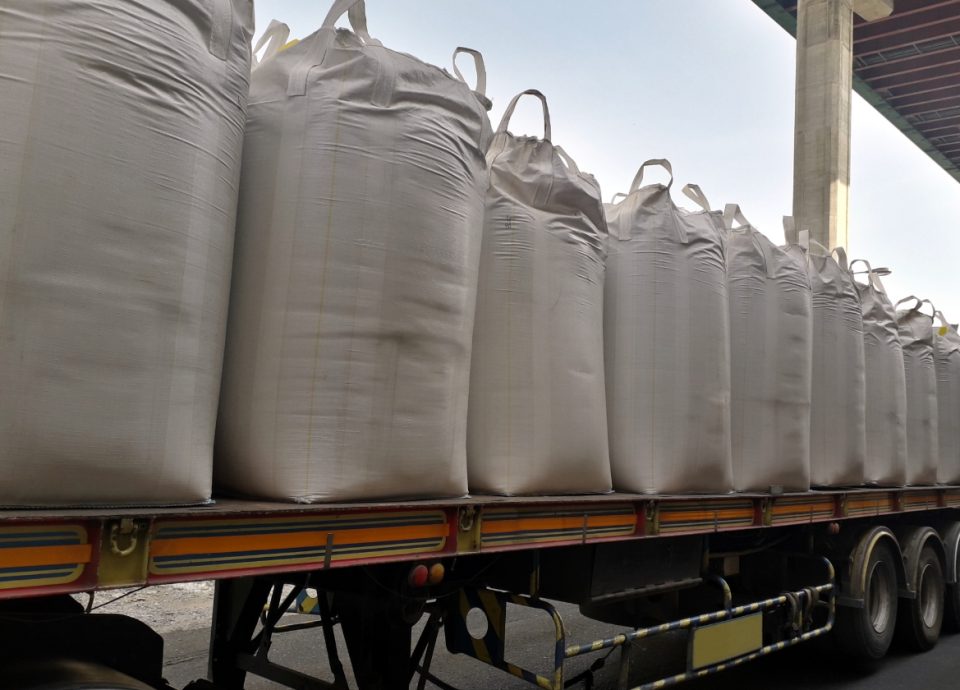
Multi-port routes often span different regions, each with its own operational constraints. A lubricant or product that is readily available in one port may be limited or unavailable in the next. Delivery methods can also vary, with some ports supporting bulk supply while others require drum or IBC deliveries. These differences make planning and flexibility essential for uninterrupted vessel operations.
The Role of a Global Supply Network
A strong global supply network is fundamental to managing consistency across regions. Access to trusted suppliers and logistics partners across multiple locations enables localized sourcing while maintaining control over product standards and delivery execution. This network-based approach reduces dependency on a single port or supplier and improves responsiveness to schedule changes.
Multi-Brand Sourcing as a Consistency Tool
Independent multi-brand sourcing plays a critical role in ensuring continuity across multi-port routes. Instead of relying on one manufacturer, vessels benefit from access to multiple approved brands and suitable alternatives. This flexibility allows supply plans to adapt to local availability without compromising technical requirements or operational performance.
Logistics Coordination Across Regions
Effective logistics coordination ensures that deliveries are aligned with vessel schedules and port capabilities. Delivery formats may need to vary by port, and coordination with local agents is essential to manage handling procedures and timing. Proactive communication and detailed planning help minimize disruptions and ensure smooth execution.
Individual Evaluation at Every Port
No two ports are the same, which is why individual stem evaluation is essential. Assessing port capabilities, product availability, delivery methods, and lead times at each location enables realistic planning and execution. This approach reduces last-minute adjustments and supports consistent supply throughout the trading route.
Delivering Consistency Through Experience
At CyLubes, multi-port supply routes are managed through a combination of global network access, independent multi-brand sourcing, and structured evaluation. Each inquiry is reviewed on a port-by-port basis to ensure feasibility and continuity.
Managing multi-port supply routes is about balancing flexibility with control. With the right sourcing strategy and global coordination, vessel operators can achieve consistent, reliable supply across regions—supporting smoother operations and reduced supply risk throughout the voyage.