The use of marine-grade urea has become essential for ships equipped with SCR systems. While urea supply may appear straightforward, effective delivery requires careful planning, proper handling, and a clear understanding of logistical and operational constraints. When not managed correctly, supply issues can lead to delays, operational inefficiencies, or unexpected costs.
Understanding Marine-Grade Urea Requirements
Marine-grade urea is used to support emission control systems and must meet specific quality and handling standards to perform effectively. Consistency, cleanliness, and correct concentration are critical factors. Any contamination or improper storage can impact system performance, making reliable sourcing and controlled handling essential throughout the supply chain.
Handling and Storage Considerations
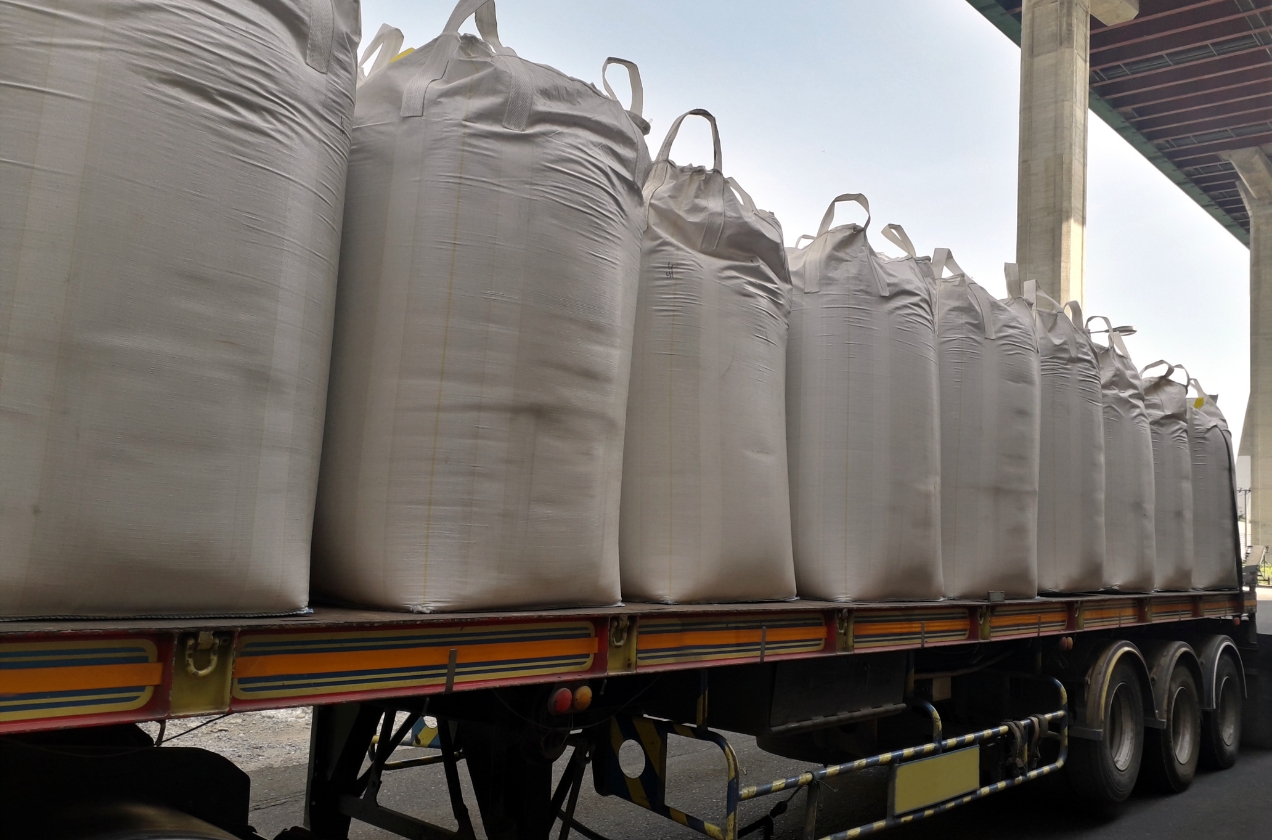
Urea is sensitive to contamination and temperature conditions. During handling and storage, it must be protected from impurities such as dust, fuel residues, and seawater. Packaging and delivery formats—whether bulk, IBC, or drums—should be selected based on port capabilities and vessel requirements. Proper transfer equipment and procedures help maintain product integrity during loading and discharge.
Logistics and Delivery Planning
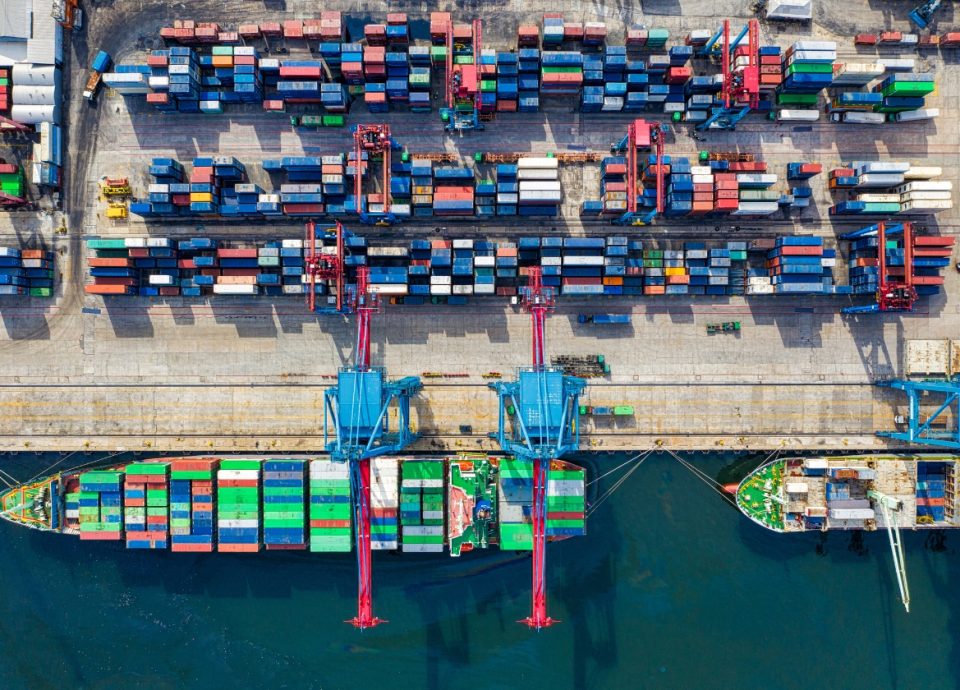
Logistics play a central role in the supply of marine-grade urea. Port infrastructure, local handling regulations, and available delivery methods can vary significantly from one location to another. Some ports may support bulk delivery, while others may require containerized formats. Delivery planning must account for berth availability, delivery windows, and coordination with local agents to ensure smooth execution.
Short port stays add another layer of complexity. In such cases, precise timing and coordination are essential to avoid conflicts with other operations. Flexible logistics planning allows adjustments to delivery formats or methods when standard options are not feasible.
Operational Coordination and Communication
Clear communication between suppliers, logistics partners, agents, and vessel operators is key to successful urea supply. Confirming quantities, delivery timing, and handling procedures in advance helps reduce the risk of delays or misalignment. Effective coordination ensures that urea deliveries integrate seamlessly into the vessel’s operational schedule.
Reducing Risk Through Structured Evaluation
At CyLubes, each urea inquiry is evaluated individually, focusing on product availability, port capability, delivery feasibility, and vessel schedule. This structured approach supports realistic planning and reliable execution, even in complex operating environments.
Supplying marine-grade urea is not just about availability—it is about controlled handling, precise logistics, and operational planning. When managed correctly, it supports smooth vessel operations and reduces supply-related risks across the trading route.